Independent Living Stairlifts: 2026 UK Home Guide
Updated: Oct 3
Could a stairlift help you stay independent, rather than take that independence away? If stairs are becoming tiring, painful or difficult to manage safely, it’s understandable to wonder whether independent living stairlifts could make everyday life at home easier.
Considering support doesn’t mean giving up control. A stairlift may help you continue using the rooms you value while reducing the need to climb the stairs. The important thing is to find an arrangement that suits your mobility, routines and home before choosing a model.
This 2026 UK guide explains how stairlifts may support everyday independence and what to consider, from getting on and off the seat to the layout of your staircase. It also suggests questions to ask an installer, so you can explore options for yourself or someone close to you with a clearer idea of what matters.
Table of Contents
How can independent living stairlifts help you stay at home?
When stairs make familiar routines tiring, painful or difficult to manage safely, reaching parts of your home can become a daily concern. You might avoid the upstairs bedroom, bathroom or family room. A stairlift may make these journeys more manageable, but whether one is suitable depends on your needs, preferences and staircase.
A stairlift is a seat that travels along a rail fitted to a staircase, carrying a seated user between floors. It can support access around the home, but it doesn’t replace every mobility aid or suit every household. For a neutral introduction to how stairlifts work and the types available, see Stair lift.
What does independent living mean at home?
Independence can mean making everyday choices for yourself: where you spend time, which rooms you use and how you manage familiar routines. If stairs are difficult, you may have to reconsider where you sleep or carry out daily activities. That can affect privacy, convenience and time with family, even if you’re comfortable moving around elsewhere in the home.
Independent living stairlifts may help some people reach the rooms that matter without climbing the stairs in the usual way. They aren’t a universal solution. Consider what you can comfortably do, what support you may need and whether there’s suitable space to get on and off the seat at each end of the journey. While many people choose to adapt their existing layout, others look into downsizing to a single-level property; if you are weighing up a move in the Lincolnshire area, discover Let's Get You Moving for guidance on local homes.
What does a stairlift do?
A fitted rail follows the staircase, with a seat that moves along it between floors. The user sits on the seat and operates controls to travel up or down. The arrangement can vary, so ask an installer to explain how the proposed stairlift would work in your home and what safety guidance applies.
Using a stairlift still means following the manufacturer’s operating and safety instructions, including guidance for getting on and off. It may help with travel between floors, but it isn’t a general stairway renovation and doesn’t provide wheelchair access. If you use a wheelchair or another mobility aid, consider how you’ll manage transfers and movement at each end of the journey. A professional can discuss whether the staircase and your needs are compatible.
How do stairlifts support everyday routines and confidence?
Being able to travel between floors can shape how you use your home throughout the day. A stairlift may make particular journeys more manageable, helping you reach the rooms and belongings that are part of your routine. Its value depends on your abilities and preferences, the layout of your home, and whether getting on and off the seat feels practical.
A stairlift may make some journeys between floors easier to manage while leaving everyday choices in your hands.
Which parts of daily life might become easier?
Think about the journeys you make, not just the staircase. You might want to reach your bedroom at the end of the day, use an upstairs bathroom, spend time in a living area or collect belongings from another floor. A stairlift could reduce the need to ask someone else for help with stair access, though you may still need or want support with other tasks; if you require assistance with daily routines alongside physical adaptations, visit Life's Angel Home Care to explore tailored in-home care options.
Note the routines you’d most like to maintain. Consider where you sleep, where you get ready in the morning and which rooms you share with other household members. This helps you discuss how a stairlift might fit your actual day, rather than an assumed routine. Independent living stairlifts are best considered in this personal context, not as a one-size-fits-all answer.
Can a stairlift help build confidence at home?
If climbing the stairs has become a concern, another way to travel between floors may feel reassuring. Using a stairlift can take some getting used to. You may have questions about the controls, getting on and off, or how it fits into shared spaces. Ask an installer to explain the proposed arrangement and operating guidance before you decide.
A stairlift doesn’t prevent falls or remove every safety risk in a home. If you’re unsure whether using one is suitable for your balance, transfers or wider mobility needs, speak with an appropriate health professional, such as your GP or an occupational therapist. Their perspective may help you weigh up the stairlift alongside your individual circumstances.
To explore practical options, you could look at stairlift installation information and prepare questions about your routines, staircase and support needs before speaking with a professional.
What should you weigh up before choosing a stairlift?
A suitable stairlift needs to work for both the person using it and the staircase. Don’t choose based on a product name alone. Consider how you’ll use the seat, what the stairs are like and whether the arrangement fits your routines. The aim is to retain choice at home, not to give up independence.
How do staircase layout and stairlift type relate?
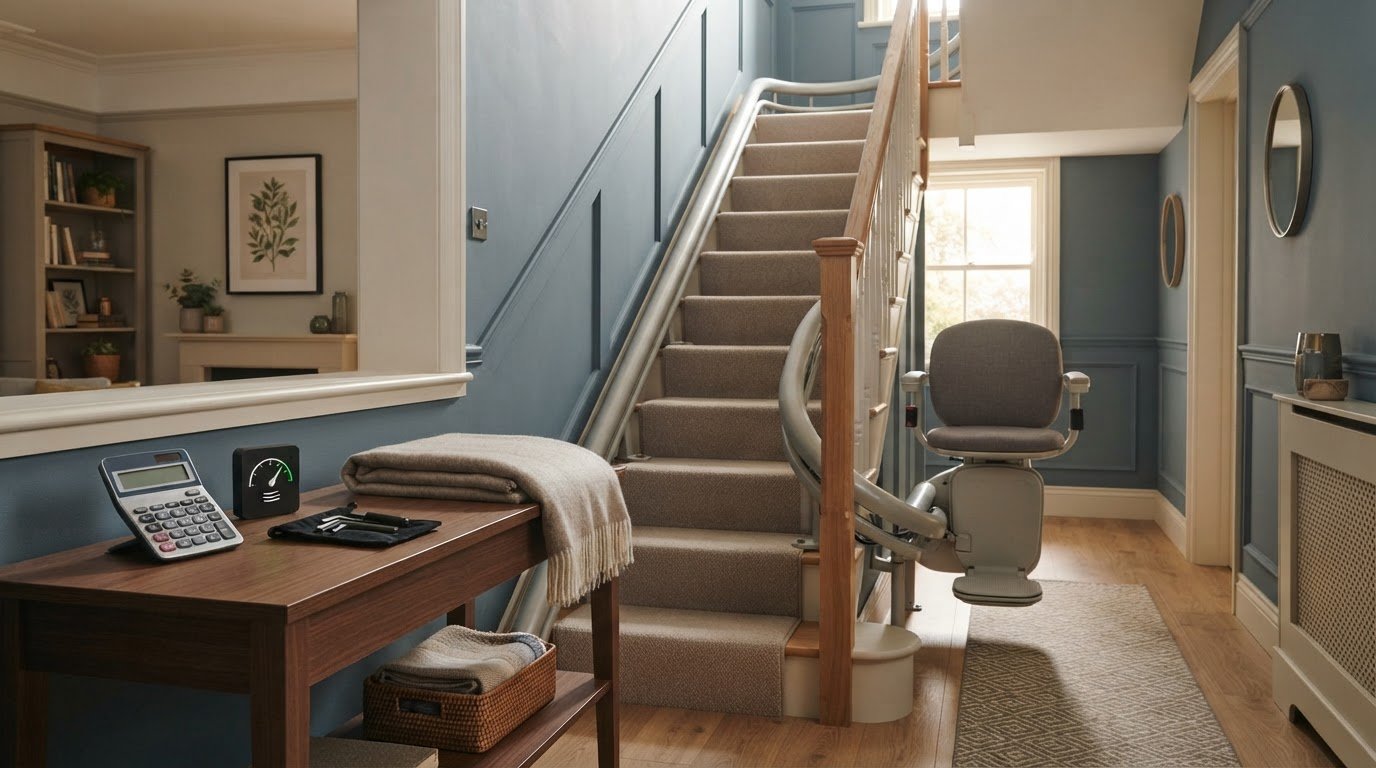
A straight staircase and one with a bend or curve may need different rail arrangements. The shape, landings and available space all matter. A professional should consider the actual staircase before confirming suitability. Photos can help start a conversation, but they aren’t a complete assessment of the stairs or the person’s needs.
Which personal needs should influence the choice?
Think through each part of using the stairlift: sitting down, positioning yourself, operating the controls and getting off at the other end. Consider comfort, the support you need and whether you expect to use it regularly. If transfers, balance or following operating instructions raise concerns, discuss them with an appropriate health professional as well as an installer.
Keep general stairlift categories separate from specific models. Straight and curved describe staircase or rail arrangements; they don’t determine which model is right for you. ElevatedStairlifts offers installation of the Thyssen Homeglide and Stannah 260. Ask a professional which options can be considered for your staircase and requirements, rather than assuming a named model will suit a particular layout.
There’s no need to decide based on how a stairlift might look to others. The useful question is whether it helps you manage important journeys in a practical, comfortable way. Write down your questions and concerns before discussing options, so your preferences are part of the conversation alongside the staircase details.
How can you assess whether a stairlift fits your needs?
A little preparation can make a conversation with an installer more useful. Start with the journeys you want to manage, then note what using a stairlift might involve for you and what the staircase may require. This needs-first approach helps you explain your priorities without having to choose a model in advance.
A simple needs-first checklist
Use these prompts to organise your thoughts before making an enquiry:
List the rooms and routines: Which floors do you need to reach, and what do you want to keep doing there? Note journeys that feel difficult, such as going to bed or using a particular bathroom.
Think through using the seat: Would sitting down, transferring on and off, and reaching the controls feel manageable? Include any comfort or support concerns.
Record changes: Note recent or anticipated changes in mobility, or support you may need now or in future. You don’t have to predict everything, but sharing concerns can inform the discussion.
Describe the staircase: Record whether it appears straight or includes a turn, along with features such as landings, doors or nearby furniture that may be relevant. Photos can help explain the layout, but don’t assume they confirm suitability.
What to discuss during a professional assessment
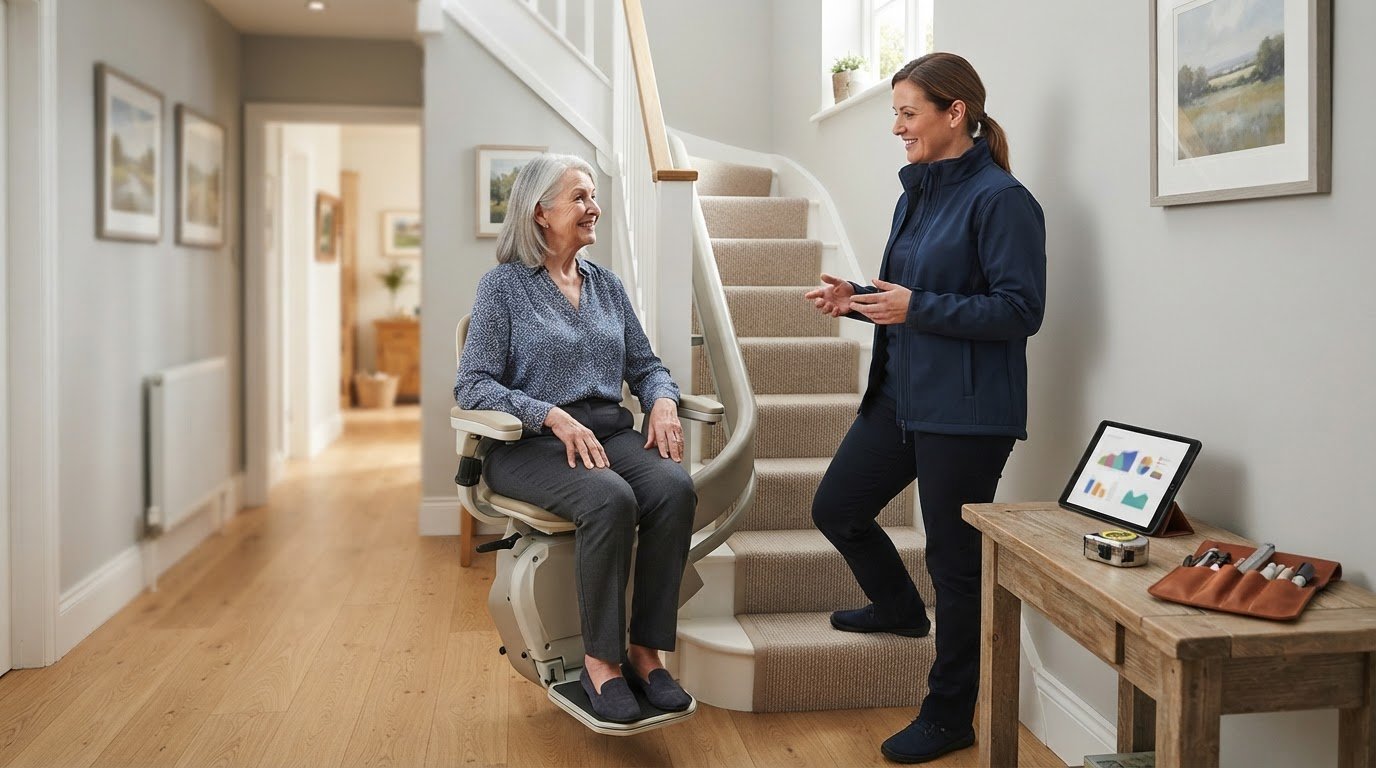
Ask how your staircase layout and personal requirements affect the options that may be suitable. Explain what you can comfortably do, where you need to travel and any concerns about regular use. If your mobility needs are complex, you may also wish to speak with an appropriate health professional. Their advice can help you understand your needs alongside the installer’s assessment of the stairlift and home.
Discuss what installation involves and which details need checking before a suitable option is confirmed. If you share photos to begin an enquiry, ask what the images can clarify and what further assessment may be needed. ElevatedStairlifts accepts staircase photos by WhatsApp or email for a free, no-obligation quote, which can be a practical first step once you’ve gathered your questions.
There’s no need to settle on an option before you understand how it might fit your routine. You can explore professional stairlift installation guidance and discuss your priorities with an installer.
What support can help you move towards independent living?
You don’t have to make a decision on your own or commit to an installation just to ask questions. A conversation with a stairlift professional can help you understand what may suit your staircase and circumstances, and what further assessment is needed. Take time to consider the information and check that any proposed option feels right for you.
What happens after you decide to explore options?
Before making contact, gather clear photos of your staircase and note the journeys that are becoming difficult. Include turns or landings in the photos if you can, and write down questions about access, comfort and using the stairlift. Photos can help a provider understand your initial enquiry, but may not show everything needed to confirm suitability.
ElevatedStairlifts provides professional stairlift installation across the UK, including installation options such as the Thyssen Homeglide and Stannah 260. You can send staircase photos by WhatsApp or email to request a free, no-obligation quote. A professional conversation can clarify what details are needed and what the next steps may involve. If you want help preparing, a stairlift quote guide can help you organise the information and questions to raise.
How can ongoing support contribute to peace of mind?
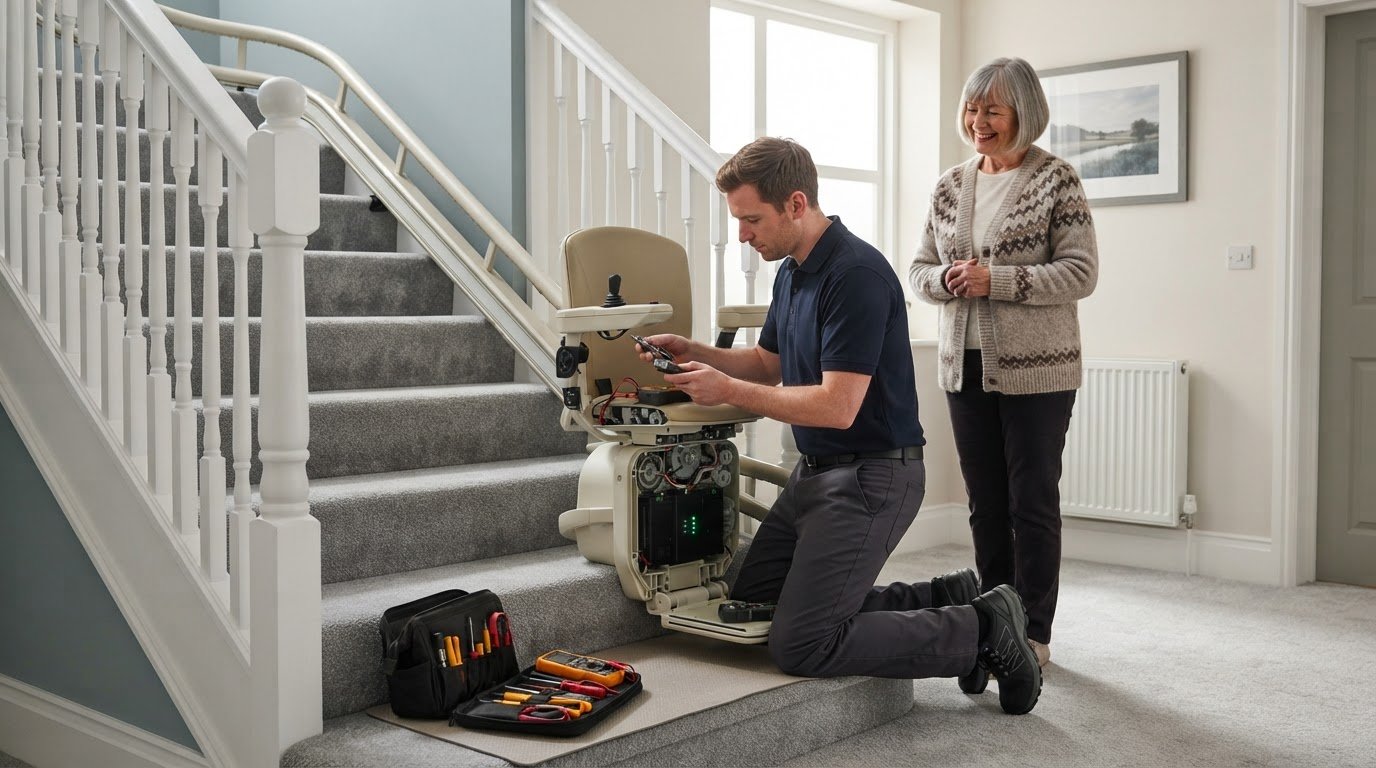
Ask about support after installation when choosing a provider. Find out what maintenance and breakdown support is available, how to arrange it and what to do if the stairlift needs attention. Clear answers can help you plan without assuming equipment will operate without interruption.
ElevatedStairlifts provides stairlift maintenance and breakdown support. Ask about the service relevant to your situation and how to request help. Understanding what support is available can form part of a considered decision about independent living stairlifts, alongside the fit of the equipment and your everyday needs.
If you’re ready to explore your options, you can contact ElevatedStairlifts with staircase photos by WhatsApp or email to request a free, no-obligation quote. Start with your main access concerns and ask what information would help clarify the next step.
Take a confident next step towards easier access at home
Choosing independent living stairlifts is a personal decision. The right option depends on your mobility, the staircase, and the rooms and routines you want to keep within reach. Noting your priorities and asking questions can help you decide whether a stairlift feels practical for your home.
A professional conversation can clarify what may suit your staircase and what to consider for ongoing support. ElevatedStairlifts provides professional installation, maintenance and breakdown support, with installation options including the Thyssen Homeglide and Stannah 260. You can request a free, no-obligation quote by sending staircase photos via WhatsApp or email.
To explore the possibilities, request a free, no-obligation stairlift quote. You can begin with your questions and a few photos, then consider the information at your own pace. The aim is to find support that fits your needs and helps you feel more confident about using your home.
Frequently Asked Questions
Can stairlifts help someone live independently at home?
Yes, a stairlift may make it easier to reach rooms on different floors when using the stairs has become difficult. This could help someone keep up familiar routines with less reliance on another person for stair access. Independent living stairlifts aren’t right for everyone. Suitability depends on the user’s mobility and preferences, as well as the staircase and available space at home.
Who might benefit from an independent living stairlift?
Someone who finds stairs tiring, painful or difficult to manage may wish to explore a stairlift if they want to continue using rooms on different floors. Age or a particular diagnosis alone doesn’t determine suitability. Consider whether the person can sit, transfer on and off the seat, reach the controls and follow operating guidance. If mobility needs are complex, discuss them with an appropriate health professional and an installer.
Will a stairlift fit my staircase?
It depends on the staircase and the stairlift arrangement being considered. Straight stairs and stairs with turns or curves may need different rail layouts. Landings and available space also matter. Photos can help start a conversation, but don’t confirm that a stairlift will fit. Ask a professional to assess the actual staircase and explain what further checks are needed.
Does using a stairlift mean giving up independence?
No. Choosing support for one part of daily life doesn’t mean giving up independence. A stairlift may help you manage some journeys between floors and make it easier to keep using the rooms that matter to you. You remain in control of whether to explore one and which routines you want it to support. The right choice is personal and should reflect your comfort and preferences.
Are stairlifts only for older people?
No. Difficulty using stairs can affect people at different stages of life and for different reasons, so stairlifts aren’t only relevant to older adults. Consider whether stairs are limiting access at home, whether the person can use the seat and controls, and whether the staircase is suitable. An installer can discuss the home, while a health professional can advise on complex mobility concerns.
What should I consider before arranging a stairlift assessment?
Note which floors and rooms you want to reach, and which routines have become harder. Consider whether sitting, transferring on and off, and using the controls feel manageable. Record any mobility changes, support needs or concerns, and describe the staircase, including turns or landings. Photos can help explain the layout, but an installer may need to check further details before confirming suitable options.
Can a stairlift prevent falls on the stairs?
No stairlift can be said to prevent falls or remove every safety risk at home. It may offer an alternative to walking up or down the stairs, but suitability and safe use depend on the individual and the home. Follow the manufacturer’s operating instructions and ask an installer about safe use. If you’re concerned about balance, transfers or falls, seek advice from an appropriate health professional.
Comments